 +1 480 485 7373
 Microsoft Teams
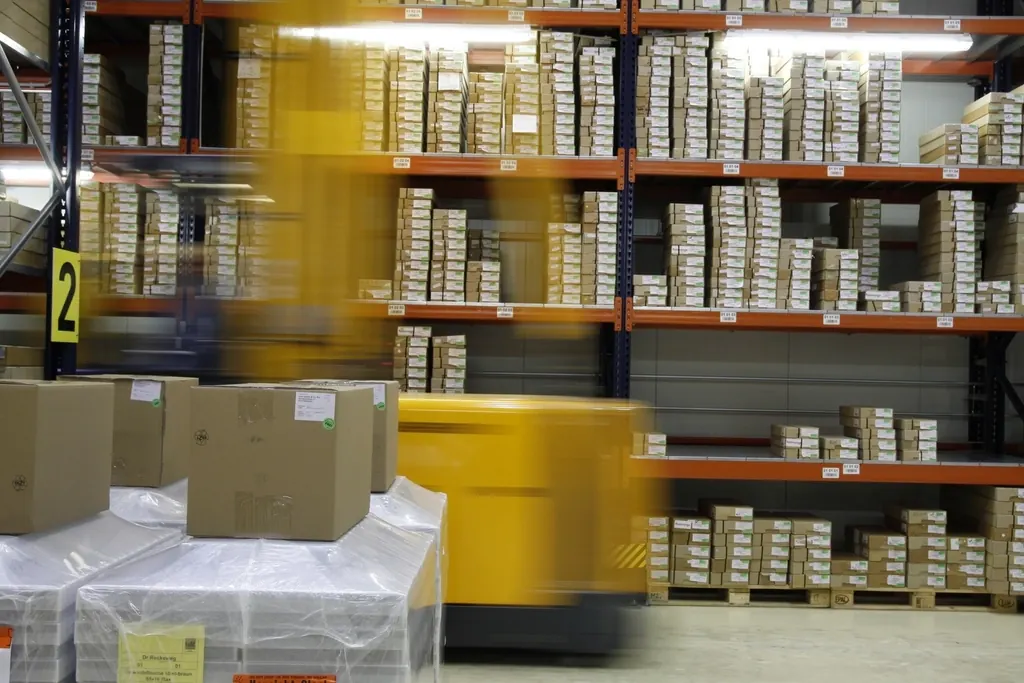
Warehouse setup switches on the Business Central location card
Require Receive and Require Shipment
Staff handle inbound goods through a warehouse receipt and outbound goods through a warehouse shipment. They no longer post directly from purchase and sales orders.
Require Put-away and Require Pick
Staff must do a separate put-away or pick step. Combined with the switches above this uses warehouse documents; on its own it uses inventory put-aways and picks.
Bin Mandatory
Every quantity at the location lives in a specific bin, and users fill in bin codes on transactions. You can set default bins per item to save typing.
Directed Put-away and Pick
Business Central suggests where to store and pick from using bin types, zones, rankings and put-away templates. It requires the other switches to be on.
Warehouse setup options and the documents they create
Basic versus advanced warehousing in practice
The basic setup uses inventory put-aways, inventory picks and inventory movements. Each document relates to one source document, such as one purchase order. Posting the put-away or pick posts the receipt or shipment too. It suits a warehouse where one person often handles an order from start to finish. There, the extra paperwork of advanced documents would slow them down.
The advanced setup splits the work into separate documents and separate people. A receiver posts a warehouse receipt covering several purchase orders from one delivery. A put-away worker then registers the put-away into bins. On the outbound side, you can create picks for many shipments at once. The shipping clerk then posts the shipment after picking. Dock staff and shelf staff each see only their own tasks.
Neither is better in the abstract. The right pick among the warehouse setup options in Business Central depends on a few questions. How many people touch an order? Do receiving and storing happen at different times? Do you need to group orders into waves? Also, different locations in the same company can use different setups. So a main distribution center can run advanced documents while a small branch stays basic.
What directed put-away and pick adds
- ✓Bin types that define which bins can receive, ship, put away or pick stock.
- ✓Zones grouping bins, such as bulk storage, pick faces and a cold area.
- ✓Bin rankings that tell the system which bins to fill or empty first.
- ✓Put-away templates that decide how the system suggests a destination bin.
- ✓Bin replenishment from bulk to pick bins based on minimum and maximum quantities.
- ✓Warehouse journals and worksheets for movements and physical counts by bin.
Choosing warehouse setup options for each location
- 1
Walk the actual building
Follow a delivery from the dock to the shelf and an order from the shelf to the truck. Note who does each step and whether stock waits in a staging area between steps.
- 2
Decide if bins are needed
If people cannot find stock without asking the one person who knows, bins help. If the stockroom is a few shelves everyone can see, bins add typing with little benefit.
- 3
Choose basic or advanced documents
Use basic documents where one person handles an order end to end. Use advanced documents where receiving, storing, picking and shipping are separate jobs, or where you group orders.
- 4
Consider directed put-away and pick last
Turn it on only for sites with enough volume, zones and bin capacity rules to justify the setup work. It is powerful and demands clean bin and item data. Of all the warehouse setup options in Business Central, it needs the most setup work.
- 5
Set up warehouse employees and test
Assign each user to the locations they work in as a warehouse employee. Then run receipts, picks and counts in a sandbox with real items before switching live.
Warehouse setup options in Business Central: common questions
Can we change a location's warehouse setup after go-live?
Yes, but you cannot change some switches while open documents or stock conflict with the change. Turning on Bin Mandatory, for example, means existing quantities need bins, and Directed Put-away and Pick has stricter conditions. Plan the change for a quiet period, clear open warehouse documents, and test the move in a sandbox copy first.
Do we need handheld scanners?
No, all of these setups work from a desktop or tablet. Scanners reduce errors and speed up picking and counting, especially with bins and item tracking. Business Central supports barcode scanning in its mobile experience, and several AppSource apps add dedicated warehouse scanning. Decide on processes first and devices second.
Business Central warehouse setup: tracking, production and access
How do lot and serial numbers fit with warehouse documents?
Item tracking works with both basic and advanced setups. Tracking codes on the item decide whether users record lot or serial numbers on receipt, shipment or both. With advanced documents, staff can capture numbers during put-away or pick rather than on the order. Test your tracked items through the full flow before go-live.
How does warehouse handling interact with production and assembly?
Locations have their own settings for how production and assembly consume components. Recent versions also changed how those settings look. You can pick components through inventory picks or warehouse picks, or consume them without a warehouse step. Check the options in your version and match them to how the shop floor really draws material.
Why can a user not see warehouse documents for a location?
Usually the user is missing as a warehouse employee for that location. Business Central filters warehouse documents to the locations assigned to each user on the Warehouse Employees page. Add the user to the location, and check their permission sets allow the relevant warehouse pages. The documents then appear.
Talk to us about your project.
Tell us what you run today and what has to change. A senior consultant replies with a written next step.