

table of contents
Organizations operating with both Microsoft Dynamics 365 and Salesforce often face challenges related to data duplication, disconnected workflows, and inconsistent reporting. Without proper integration, teams struggle with limited visibility and fragmented customer insights. Microsoft Dynamics 365 Salesforce Integration Methods provide structured approaches to synchronize data, streamline operations, and create a unified customer ecosystem. With a strategic integration framework, businesses align CRM systems, improve transparency, and ensure consistent engagement across departments.
Additionally, a D365 Consultant helps organizations design secure integration architectures, define data synchronization rules, and implement scalable connectivity solutions. By combining automation, APIs, and middleware platforms, businesses enhance collaboration, eliminate silos, and maintain real-time CRM alignment through effective Microsoft Dynamics 365 Salesforce Integration Methods.
What Are Salesforce Integration Methods?
Microsoft Dynamics 365 Salesforce Integration Methods refer to the technical and strategic approaches used to connect both CRM platforms for seamless data exchange. These methods enable organizations to synchronize leads, contacts, opportunities, accounts, and service records while maintaining data accuracy and compliance.
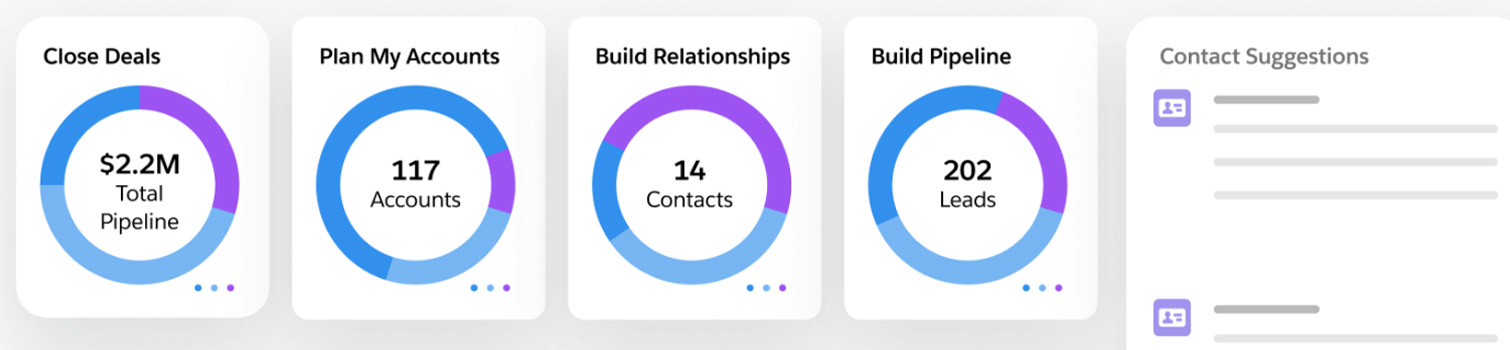
With guidance from a D365 Consultant, organizations ensure secure configuration, accurate field mapping, and optimized data flow between systems.
Benefits of Salesforce Integration Methods
Microsoft Dynamics 365 Salesforce Integration Methods provide organizations with a unified data ecosystem, reducing operational complexity and improving customer visibility. Implemented strategically, these methods enhance productivity and decision-making.
1. Unified Customer Data Across Platforms
Customer records, interactions, and sales pipelines remain synchronized between Dynamics 365 and Salesforce, eliminating inconsistencies.
2. Real-Time Data Synchronization
Organizations gain immediate updates across systems, ensuring teams always work with accurate and current information.
3. Improved Cross-Team Collaboration
Sales, service, and marketing teams access shared insights regardless of the CRM platform they use.
4. Reduced Manual Effort and Errors
Automation minimizes duplicate data entry and reduces the risk of reporting inaccuracies.
Engagement Strategy
Manage storage performance and reduce CRM operational disruptions using structured optimization workflows guided by a Dynamics 365 Consultant for improved system scalability.Your Content Goes Here
negotiate salary
CRM Approach
This approach improves data cleanup, audit management, file storage control, retention planning, and long-term governance through Microsoft d365 Storage Capacity optimization solutions.Your Content Goes Here
hiring approach
By fixing d365 Storage Capacity issues and working with d365 consultant, organizations maintain stable CRM performance while controlling licensing costs and improving operational efficiency.
Salesforce Integration Methods Overview
Microsoft Dynamics 365 Salesforce Integration Methods empower organizations to connect two powerful CRM ecosystems while maintaining data integrity and operational control. Proper integration ensures consistent workflows and accurate reporting across platforms.
Intelligent & Scalable
Organizations benefit from cloud-based integration architectures that scale with business growth. Whether through APIs or middleware, integration solutions adapt to evolving operational demands without disrupting performance.
Business Enablement
A D365 Consultant ensures that integration strategies align with existing workflows, compliance requirements, and long-term CRM objectives. By designing structured synchronization models, businesses maintain consistency and system reliability.



Smarter CRM and Operational Decision
In competitive markets, data accuracy and responsiveness are critical. By implementing Microsoft Dynamics 365 Salesforce Integration Methods, organizations unify insights from both platforms, enabling better forecasting, performance tracking, and customer engagement strategies.
Conclusion
Organizations managing multiple CRM systems require secure integration, consistent data visibility, and scalable automation. Therefore, implementing Microsoft Dynamics 365 Salesforce Integration Methods with the support of a D365 Consultant enables businesses to eliminate silos and improve operational efficiency. In conclusion, by connecting Dynamics 365 and Salesforce strategically, organizations enhance collaboration, strengthen customer relationships, and maintain long-term competitive advantage.