

table of contents
Modern supply chain operations require speed, accuracy, real-time visibility, and strong coordination across procurement, inventory, manufacturing, and logistics. However, many organizations still face challenges such as stock shortages, delayed deliveries, disconnected vendor communication, and poor demand forecasting. These issues increase costs and reduce customer satisfaction. Dynamics 365 Supply Chain helps organizations overcome these challenges by providing a unified platform to manage end-to-end supply chain processes with automation and real-time insights.
d365 Supply Chain Management is a powerful ERP solution that helps businesses optimize procurement, inventory, production, warehousing, and transportation operations. It enables organizations to reduce supply chain disruptions, improve operational planning, and enhance delivery performance through intelligent workflows and advanced analytics.
Dynamics 365 Supply Chain Management
Organizations improve operational visibility and logistics performance through d365 Supply Chain, supported by an experienced Dynamics 365 Consultant. These capabilities enable automation across procurement, warehousing, manufacturing, and distribution workflows. As a result, businesses reduce operational delays and improve delivery consistency.
With guidance from d365 consultant, businesses implement structured supply chain solutions that support long-term growth and cost efficiency.
Benifits
The following are the most valuable d365 Supply Chain features that help organizations improve supply chain performance and manage complex operations efficiently.
1. Real-Time Inventory Management
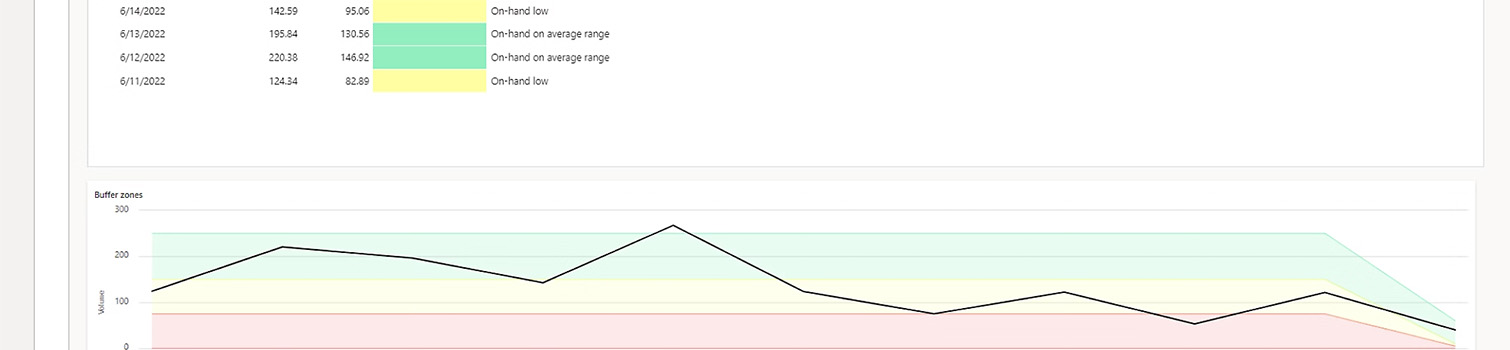
Inventory visibility is essential for reducing shortages and overstocking. Dynamics 365 provides real-time inventory tracking across multiple warehouses, stores, and distribution centers.
2. Demand Forecasting and Supply Planning
Accurate forecasting improves production planning and reduces supply disruptions. Dynamics 365 uses analytics and historical trends to support demand forecasting and supply chain planning.
3. Procurement and Vendor Management
Procurement operations require structured vendor collaboration and purchasing control. Dynamics 365 streamlines procurement workflows by improving vendor tracking, purchase approvals, and supplier performance monitoring.
4. Warehouse Management and Automation
Warehouse operations are critical for fast order fulfillment and accurate distribution. Dynamics 365 includes advanced warehouse management capabilities that optimize picking, packing, and shipping workflows.
Engagement Strategy
Improve supply chain visibility and operational performance using ERP workflows guided by d365 Supply Chain for better efficiency and delivery accuracy.Your Content Goes Here
negotiate salary
CRM Approach
This approach strengthens procurement, inventory, forecasting, warehousing, production, and compliance workflows through Microsoft d365 Supply Chain.Your Content Goes Here
hiring approach
By leveraging d365 Supply Chain features and working with d365 consultant, organizations improve supply chain performance, reduce operational disruption, and strengthen end-to-end logistics efficiency.
Microsoft Dynamics 365 Supply Chain
d365 Supply Chain Management is designed to help organizations manage supply chain operations from procurement to delivery. It provides real-time visibility, automation, and analytics that support smarter supply chain planning and execution.
Secure and Governed Supply Chain Operations
Supply chain operations involve sensitive vendor contracts, pricing information, and operational data. Dynamics 365 includes enterprise-grade security features to ensure supply chain data remains protected.
Industry-Specific Supply Chain Enablement
Different industries face unique supply chain challenges. d365 Supply Chain supports customized workflows for manufacturing, retail, healthcare, and distribution-based organizations.



Smarter Supply Chain Decisions with Dynamics 365
Organizations require real-time visibility, predictive planning, and automation to remain competitive. d365 Supply Chain enables businesses to reduce manual processes, optimize logistics, and improve inventory accuracy through connected ERP workflows.
Conclusion
Modern organizations require strong supply chain systems to reduce disruptions, improve forecasting, and ensure reliable deliveries. Therefore, implementing d365 Supply Chain Management helps businesses streamline procurement, inventory, production, and logistics operations.